
What Areas Do We Cover for Mould Removal Around Lake Illawarra?

Wollongong Mould Removal Masters provides mould removal and remediation services across the full Lake Illawarra area, including:
- Warilla — peninsula homes surrounded by water on multiple sides
- Windang — channel and lake breeze properties with persistent dampness
- Barrack Heights — elevated homes with lake views and morning mist exposure
- Primbee — waterfront and industrial fringe properties
- Berkeley — older housing stock close to the lake’s northern edge
- Lake Illawarra foreshore — fibro and brick homes along the water’s edge
- Shellharbour surrounds — southern lake-facing properties
We service residential homes, rental properties, and strata buildings throughout the area. Same-week inspections are available, and we provide written reports and clearance certificates for homeowners, landlords, and real estate purposes.

Why Lake Illawarra Homes Are So Prone to Mould
Lake Illawarra is one of the most moisture-rich environments in the Illawarra — and that creates a real challenge for local homeowners.
Homes here are exposed to water from multiple directions. The lake generates fog and mist that settles over properties most mornings. Warilla sits on a peninsula with water on three sides. Windang faces constant humidity from both the lake and the channel. Eastern shore properties warm up in the afternoon sun, then cool sharply overnight, causing condensation to form on walls, ceilings, and inside roof spaces.
Most homes around the foreshore were also built decades ago, before ventilation and moisture control were properly considered. That combination — persistent humidity, temperature swings, and older construction — creates perfect conditions for mould to take hold. It’s not bad luck. It’s the environment these homes are sitting in.


The Hidden Moisture Problems in Waterfront Properties
The moisture problems in Lake Illawarra homes often go well beyond what you can see on the surface. Here are three of the most common hidden causes we find when we inspect waterfront properties in this area.
Mould We Commonly Find in Lake Illawarra Homes
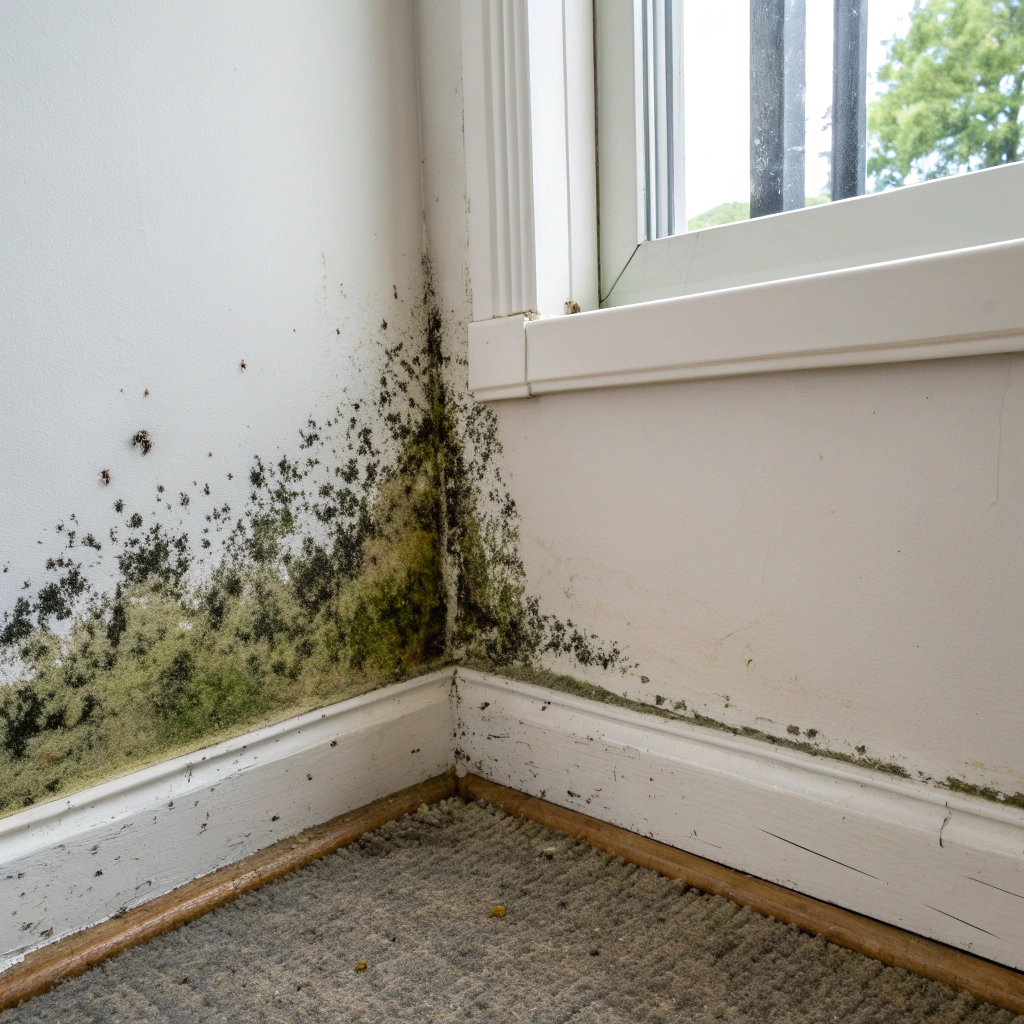
In the homes we service around Lake Illawarra, mould tends to appear in a fairly consistent set of places.
Bathroom ceilings and grout lines are the most common starting point — steam and high background humidity mean bathrooms here stay damp far longer than they should. Bedroom walls and wardrobes are another frequent problem, particularly in rooms facing the water with limited airflow.
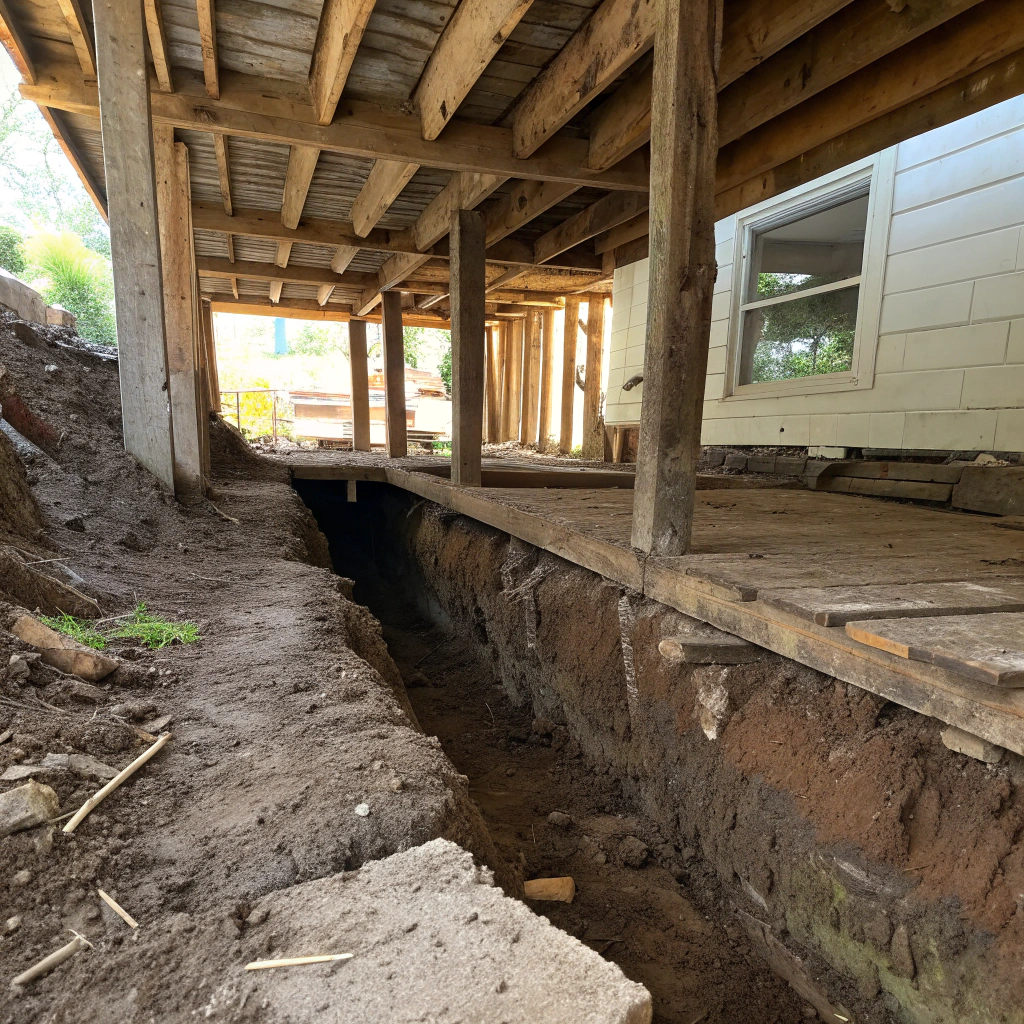
Subfloor spaces are where we find some of the most advanced mould growth in foreshore properties. Because it’s out of sight, it can develop for months before anyone notices. Roof cavities present the same issue.
In older fibro homes, mould can grow within the wall material itself — not just on the surface. This is why surface sprays so often fail here. The problem goes deeper than it looks.
Our Mould Removal Process for Waterfront Properties
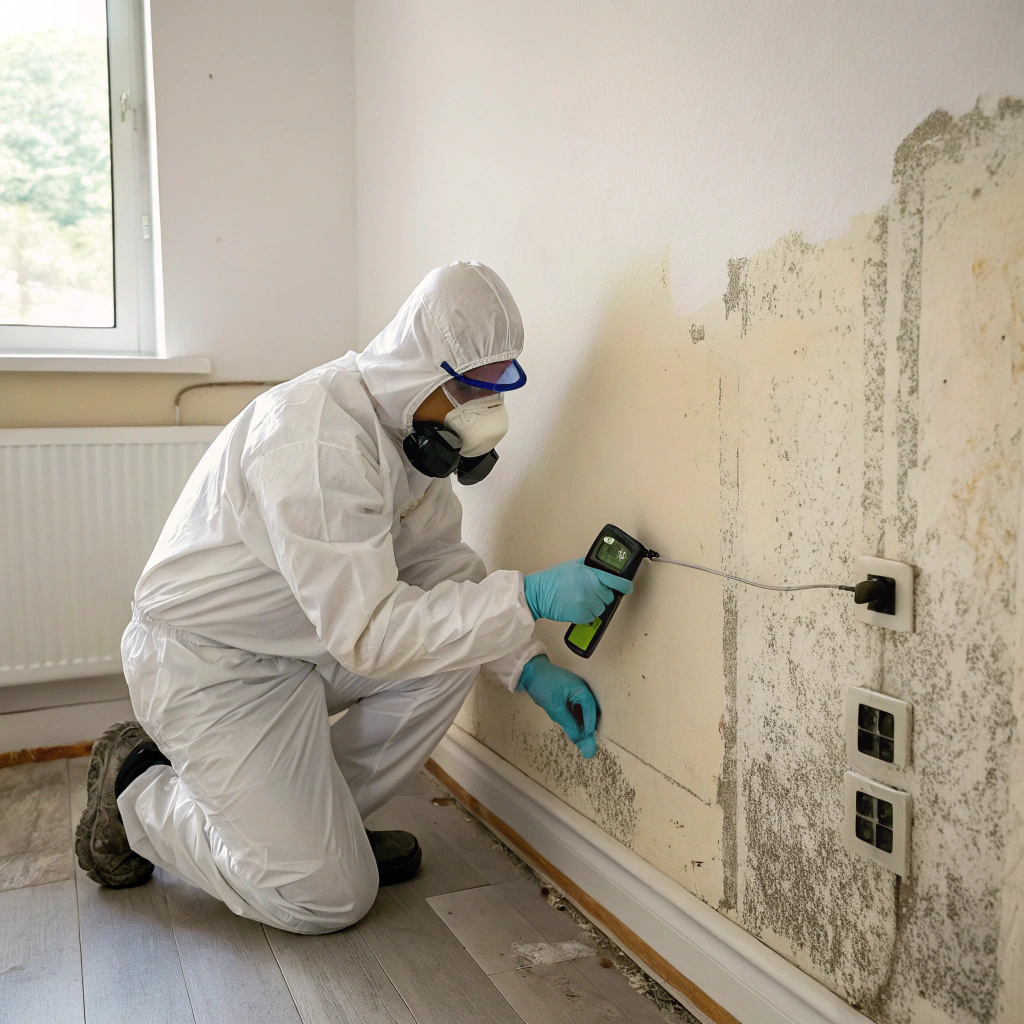
We follow a clear, straightforward process for every job we do around Lake Illawarra. No guesswork, no cutting corners.
Inspection and Moisture Assessment: Before we touch anything, we assess the full extent of the problem — including subfloor spaces, roof cavities, and areas that aren’t yet visible. This tells us exactly what we’re dealing with before treatment begins.
Treatment and Removal: We treat and remove the mould properly, going beyond surface treatment where needed to address mould that has worked its way into wall materials, subfloor timbers, or ceiling cavities. We match our approach to what we actually find.
Prevention and Follow-Up: Removing mould is only half the job. We identify the moisture source, give you practical advice on what to address, and provide written documentation of the work completed.
Older Homes and Fibro Construction Around the Lake
A large number of homes along the Lake Illawarra foreshore were built in the 1960s, 70s, and 80s. Many are fibro — a material that was never designed to handle the level of moisture exposure these waterfront locations deliver.
Fibro absorbs moisture differently from brick or modern cladding. Once damp gets in, mould can grow from within the material — not just on the surface. This is why repainting over mould in a fibro home rarely works.
Older homes here also tend to have limited subfloor ventilation and no vapour barriers, allowing moisture to move freely through the structure. In a location like Warilla or the lake foreshore, that’s a problem that only gets worse over time if it isn’t properly addressed.
Solving the Recurring Mould Problem in Lake Illawarra Homes
For many Lake Illawarra homeowners, the frustrating part isn’t the mould itself — it’s the fact that it keeps coming back. There’s a reason for that, and it’s fixable.
Why Mould Keeps Coming Back
Surface treatments mask the problem without solving it. If the moisture source is still there — whether that’s subfloor dampness, poor ventilation, or lake fog working into wall cavities — mould will return. In a high-humidity environment like Lake Illawarra, it often comes back faster than anywhere else.
Treating the Cause, Not Just the Surface
We locate the moisture source driving the growth before we treat anything. That might be rising damp from a high water table, condensation in a roof cavity, or inadequate airflow in a bathroom. Treating the cause is what stops the cycle.
Keeping Moisture Under Control Long-Term
Once treatment is complete, we give you straightforward advice on ventilation, drainage, and moisture control suited to your specific property. Small changes can make a significant difference in a waterfront home — and we’ll tell you exactly what’s worth doing.
Why Choose Wollongong Mould Removal Masters in Lake Illawarra
There are plenty of general cleaning and mould treatment services operating across the Illawarra. Here’s why homeowners around Lake Illawarra call us instead.
We specialise in the specific conditions that waterfront and lake-facing properties deal with. We understand how lake fog, high water tables, and older fibro construction combine to create mould problems that standard treatments simply don’t fix. We’ve worked on properties right across the Lake Illawarra area — Warilla, Windang, Barrack Heights, Primbee, and the foreshore suburbs — and we know what to look for in these homes.
We find the source of the moisture, treat the mould properly, and give you honest advice on preventing it from returning. We also provide clear written documentation of everything we do, which is useful whether you’re a homeowner, a landlord, or in the middle of a property transaction.
No shortcuts. No surface-only fixes. Just straightforward mould removal done properly for the area we know well.
FAQs
Surface sprays only treat what’s visible. In a high-humidity environment like Lake Illawarra, the moisture source is usually still active — whether that’s subfloor dampness, poor ventilation, or lake fog getting into wall cavities. We find and treat the cause, which is what stops it from returning.
Mould can affect air quality and trigger respiratory issues, allergies, and other health symptoms — particularly in children, the elderly, and anyone with asthma or a weakened immune system. If you’re seeing mould regularly or noticing unexplained health symptoms at home, we recommend getting a professional assessment sooner rather than later.
The combination of lake fog, morning mists, high water tables, and older construction methods creates moisture levels that most homes in this area simply weren’t built to handle. Properties in Warilla and Windang are particularly exposed due to their proximity to water on multiple sides.
Yes. Subfloor and roof cavity mould is something we deal with regularly in Lake Illawarra properties. We inspect these areas as part of every assessment and treat them where needed — not just the surfaces you can see inside the home.
This is a common situation around Lake Illawarra. We can provide a written inspection report that documents the mould, identifies the likely cause, and gives you clear evidence of whether it’s a structural or lifestyle issue. This kind of report is useful if you need to raise the matter formally with your landlord or property manager.
Most residential jobs we complete in a single visit, though larger or more advanced cases — particularly those involving subfloor or roof cavity treatment — may require a follow-up. We’ll give you a clear timeframe before we start so you know exactly what to expect.
Cost depends on the size of the affected area, the type of mould present, and whether subfloor or roof cavity work is required. We provide a clear quote after inspection so you know exactly what’s involved before any work begins. There are no hidden costs.
Yes. We work with buyers, sellers, and real estate agents across the area. We can complete an inspection and provide a written report or clearance certificate quickly, which can be used as part of a property transaction or presented to a solicitor or agent.
Get in Touch with Our Lake Illawarra Mould Removal Team
If mould is a problem in your home, don’t wait for it to get worse. The longer it’s left, the deeper it gets — and in a high-humidity environment like Lake Illawarra, it won’t go away on its own.
We work with homeowners, renters, landlords, buyers and sellers right across the area. Whether you’ve got a small bathroom problem or you’re concerned about what might be happening in your subfloor or roof cavity, we can help. We’ll inspect your property, give you a clear picture of what’s going on, and get it sorted properly.
We service Warilla, Windang, Barrack Heights, Primbee, and all surrounding lake foreshore suburbs. Call us today to book an inspection or get a quote.
