
What Does Mould Removal in Jamberoo Cover?
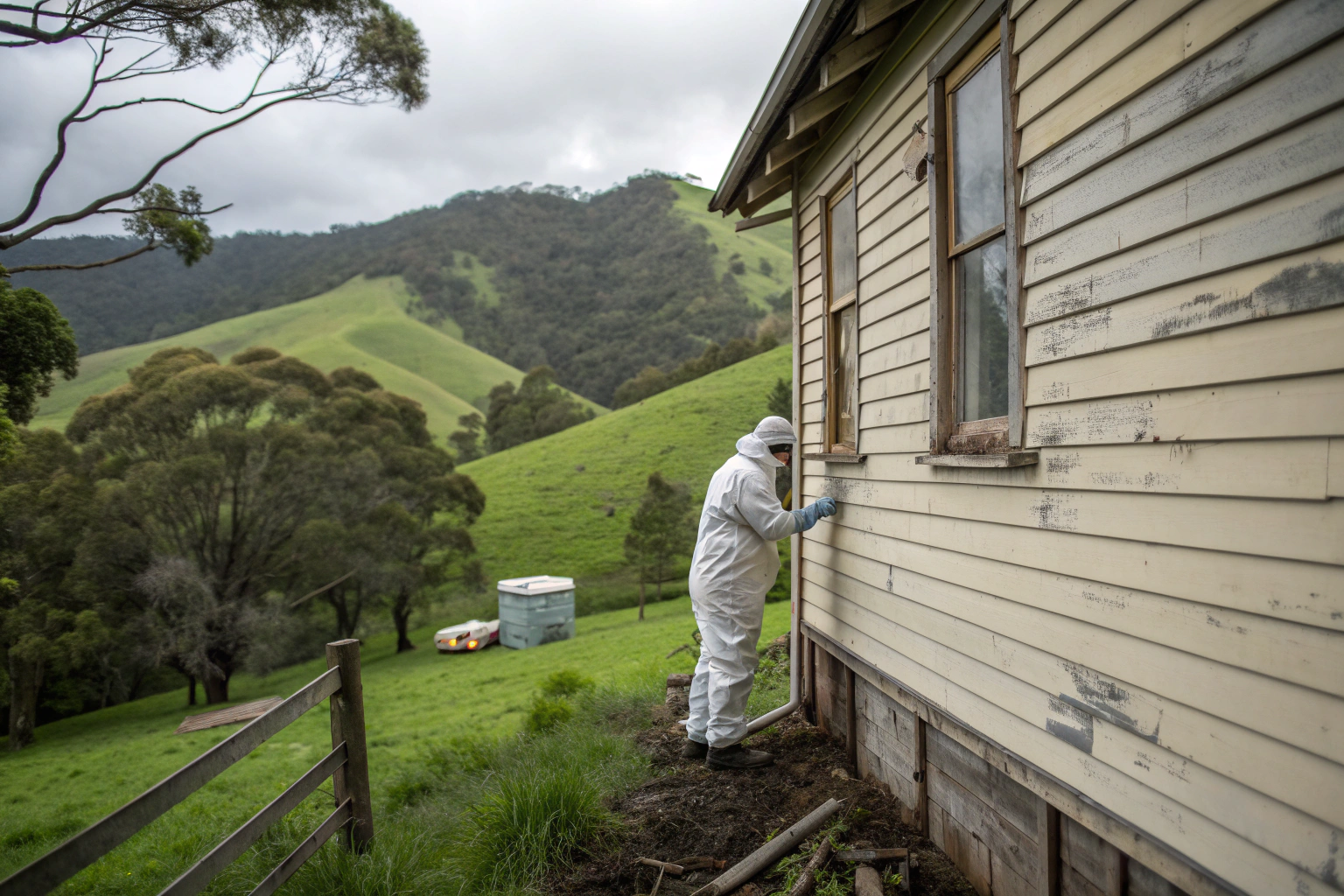
Wollongong Mould Removal Masters services Jamberoo and the surrounding rural valley, including properties along Jamberoo Mountain Road, Allowrie Street, and acreage blocks backing onto the Minnamurra Rainforest escarpment. We treat all property types common to the area:
- Heritage weatherboard cottages and older village homes
- Rural acreage properties and farmhouses
- Agricultural sheds, outbuildings, and barns
- Residential homes with subfloor, wall cavity, or roof cavity mould
- Rental properties requiring formal clearance certificates
Our Jamberoo service includes:
- Full mould inspection and moisture testing
- Safe removal using HEPA-grade equipment
- Treatment of affected surfaces and cavities
- Identification of the moisture source causing growth
- Written inspection reports and clearance certificates
We service Jamberoo from our Wollongong base, with same-week inspections available. Nearby areas, including Kiama, Gerringong, and Minnamurra, are also covered.

Why Jamberoo Properties Are So Prone to Mould
Jamberoo sits in a natural bowl in the Illawarra escarpment, and the geography works against dry homes. Rainfall here is among the highest in the region, the rainforest sits at the back door, and the tree canopy covers much of the valley floor. Moisture has nowhere to go.


The Building Types We Treat in Jamberoo
Jamberoo has a mix of building types that each come with their own mould challenges.
Heritage Weatherboards and Older Village Cottages: Timber weatherboards absorb moisture over decades, opening gaps in wall linings where mould spreads unseen. We treat heritage homes carefully, removing mould without damaging older materials or original finishes.
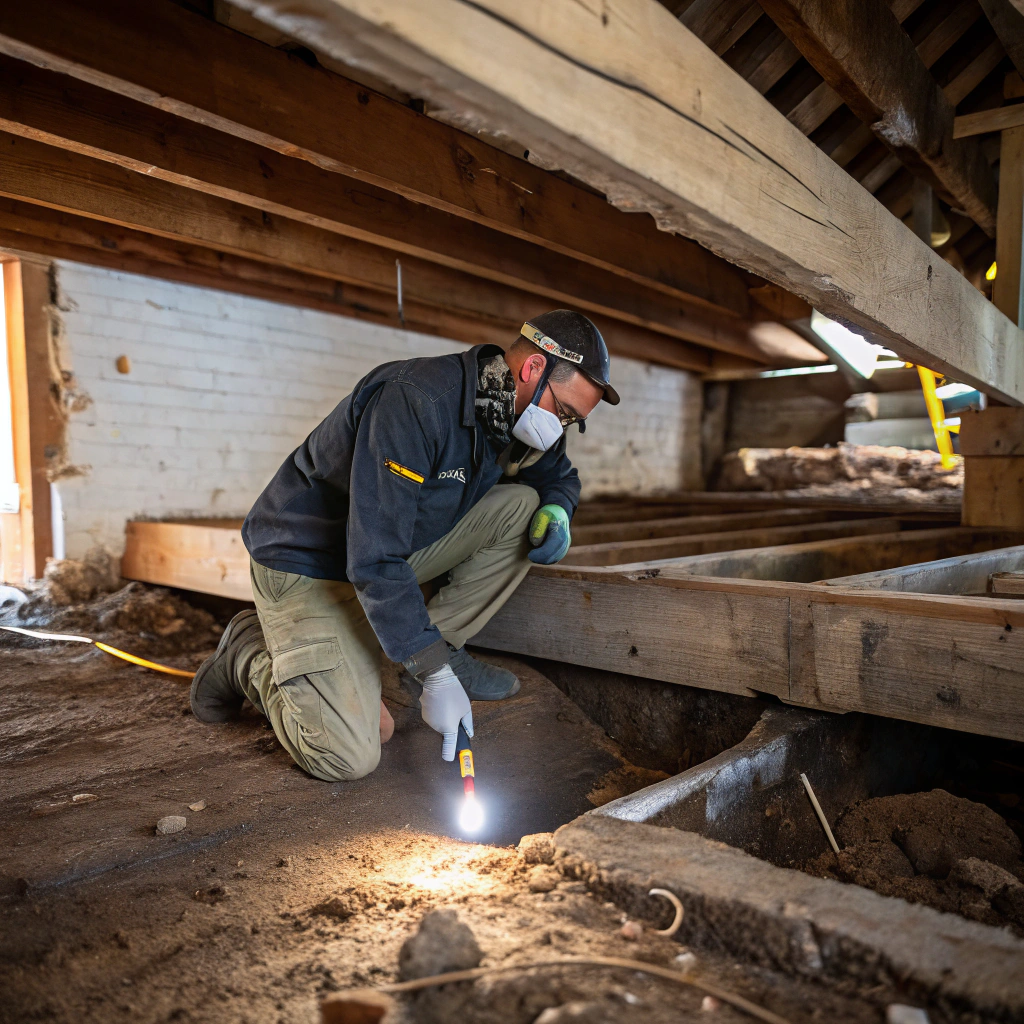
Rural Acreage Homes and Farmhouses: Large subfloor spaces, older drainage, and poor underfloor airflow make acreage properties highly prone to subfloor mould. We inspect and treat the full property, not just the visible rooms.
Agricultural Sheds and Outbuildings: Corrugated iron condensation, poor sealing, and stored organic material create heavy mould growth in farm sheds and outbuildings. We treat agricultural and commercial structures as well as residential properties.
Where Mould Hides in Jamberoo Homes
In Jamberoo’s damp valley environment, mould rarely stays on the surface. The places it causes the most damage are usually the ones you can’t easily see.
Subfloor spaces are one of the most common problem areas in rural and older Jamberoo properties. Damp soil and poor airflow under the house let mould develop quietly for years before it’s noticeable inside.
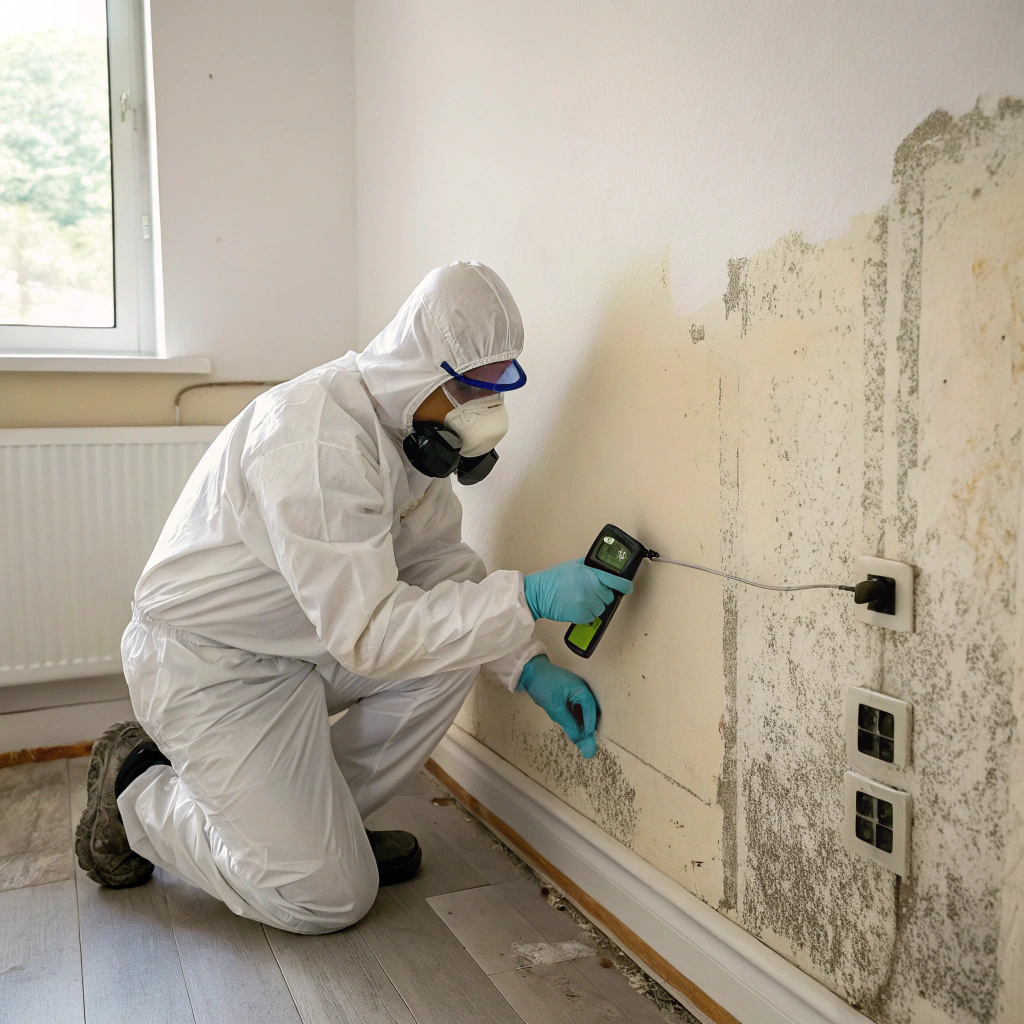
Wall cavities collect moisture through gaps in weatherboard cladding and around window frames. Once mould is inside a wall, surface cleaning does nothing — the source needs to be properly addressed.
Roof spaces trap warm, moist air rising from living areas below. Without adequate ventilation, mould spreads across insulation, rafters, and ceiling linings.
Behind bathroom, laundry, and kitchen wall linings, slow leaks can feed mould growth for months before any visible sign appears.
How We Treat Mould in Rural and Heritage Properties
Treating mould in Jamberoo properties takes more care than a standard suburban job. Older materials, large rural structures, and hard-to-reach spaces all require a different approach.
Inspection and Moisture Testing First: Before any treatment starts, we identify where moisture is coming from. Finding the source is what stops mould from coming back after treatment.
Safe Removal Without Damaging Older Materials: Heritage timber, original wall linings, and older finishes need careful handling. We use methods that remove mould effectively without causing further damage to materials that can’t easily be replaced.
Treating the Cause, Not Just the Surface: Cleaning visible mould without fixing the moisture problem behind it is a temporary fix. We address the source — whether that’s subfloor dampness, poor ventilation, or water ingress — so the mould doesn’t return.

Mould Reports and Clearance Certificates for Jamberoo Properties
A professional mould report does more than confirm the job is done. For Jamberoo property owners, it’s often a practical necessity.
Landlords dealing with tenant complaints need written documentation that shows the problem has been properly identified and treated. A formal report protects against disputes and provides clear evidence if a matter goes to the NSW Civil and Administrative Tribunal.
Homeowners preparing to sell need a mould clearance certificate they can provide to buyers, solicitors, or building inspectors. In a rural village property market like Jamberoo, visible mould or a failed inspection can significantly affect the sale price and buyer confidence.
Tenants who suspect mould is a structural issue — not a lifestyle one — need an independent report that clearly states the findings. We provide documentation that is straightforward, professionally written, and suitable for any purpose.
Every job we complete includes a written report as standard.
Keeping Mould Out of Jamberoo Homes Long Term
Removal is the first step. In a high-rainfall, high-humidity environment like Jamberoo, keeping mould out long term takes a bit more planning.
Ventilation Fixes That Work in High-Humidity Environments: Improving airflow through subfloor vents, roof spaces, and living areas makes a significant difference in damp valley properties. We identify where airflow is restricted and recommend practical fixes suited to your property type.
Moisture Control for Rural Properties and Outbuildings: Acreage properties have more surface area exposed to ground moisture and rainfall. Subfloor moisture barriers, improved drainage around the building, and proper sealing of outbuildings all reduce the conditions under which mould needs to grow.
What to Watch For After Treatment: Knowing the early warning signs means catching mould before it spreads again. We walk every Jamberoo customer through what to monitor, where to check, and when to call us back.
What We Know About Mould in the Jamberoo Valley
Jamberoo is one of the wettest parts of the Illawarra. Rainfall in the valley regularly exceeds coastal suburbs like Kiama and Shellharbour, and proximity to the Minnamurra Rainforest keeps humidity high even between rain events. For homeowners, that’s a year-round mould risk — not a seasonal one.
Most of Jamberoo’s housing stock was built before modern building standards introduced vapour barriers and subfloor ventilation requirements. Heritage cottages along Allowrie Street and rural properties on Jamberoo Mountain Road were never designed to handle ongoing moisture at this level.
Dense tree canopy across the valley floor reduces the sunlight and airflow that would naturally dry out damp timber and soil — a problem that’s especially common on Jamberoo’s acreage blocks.
Mould Removal Jamberoo — Common Questions Answered
Recurring mould almost always means the moisture source hasn’t been fixed. We identify where dampness is entering — whether that’s subfloor, wall cavities, or poor ventilation — and treat the cause, not just the visible growth.
Some mould types carry health risks, particularly for children, elderly residents, and anyone with respiratory conditions. We assess what you’re dealing with and give you a straight answer on the level of risk in your property.
Cost depends on the size of the affected area, the property type, and how far the mould has spread. We provide a clear quote after inspection — no guesswork and no hidden charges.
Yes. Subfloor mould is one of the most common problems we see in Jamberoo acreage homes. We inspect the full subfloor space, treat affected timber and soil, and recommend moisture barriers where needed.
Yes. We use methods suited to older timber and original wall linings. We’re experienced with Jamberoo’s heritage building stock and take care to avoid causing further damage during treatment.
Yes, every job includes a written inspection report and clearance certificate as standard. These are suitable for landlords, tenants, insurers, and pre-sale purposes.
Yes. We inspect the property, provide a written report identifying whether mould is structural or lifestyle-caused, and issue documentation suitable for property managers and tribunal proceedings if needed.
Most residential jobs are completed in a single visit. Larger rural properties or those with mould in multiple areas — subfloor, roof cavity, and living spaces — may require a second visit. We give you a clear timeframe before we start.
Get Rid of Mould in Your Jamberoo Property — Call Us Today
Jamberoo’s rainfall, humidity, and older housing stock make mould a real and recurring problem. Whether you’ve got visible mould in a heritage cottage, a damp subfloor on an acreage block, or a rental property that needs a formal report, Wollongong Mould Removal Masters can help.
We service the full Jamberoo valley — from the village centre out to rural properties along Jamberoo Mountain Road and the Minnamurra escarpment. Same-week inspections are available, and every job comes with a written report and clearance certificate as standard.
Don’t wait for it to get worse. Call us today for a straight answer and a clear quote.
